


Blog
Plant hire is one of those terms everyone in construction uses, but not everyone stops to think about properly. Too often, equipment decisions are rushed or based on habit rather than what a site actually needs.
Understanding what plant hire is and when to use it can make the difference between a site that runs smoothly and one that constantly fights delays, compliance issues and unnecessary costs. This guide breaks it down in plain terms so you can make informed decisions that support both productivity and safety.
What Is Plant Hire
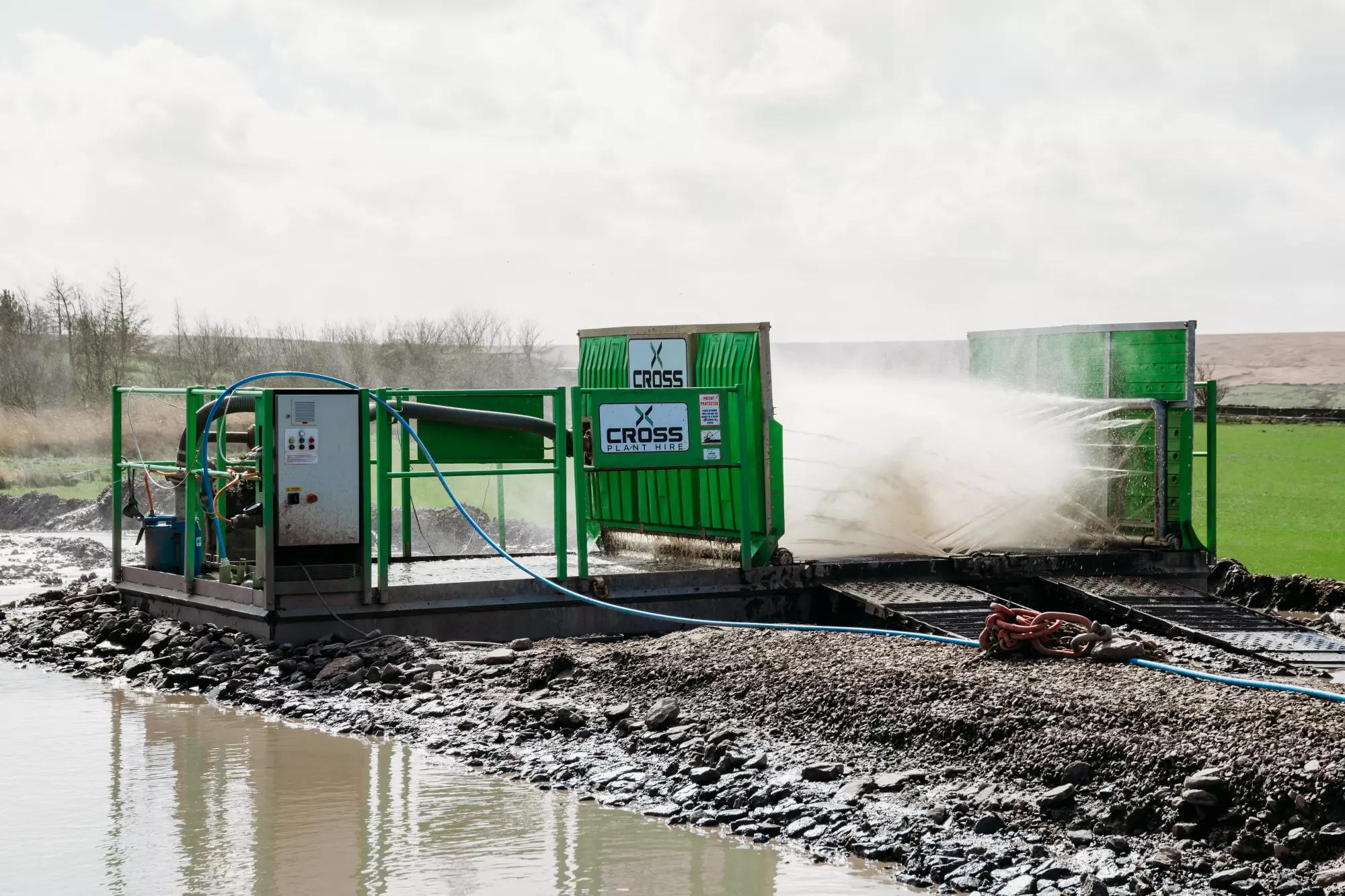
Plant hire is the process of renting construction equipment and site infrastructure for a defined period instead of purchasing it outright. This can include machinery, fuel storage solutions, wheel washing facilities, settlement tanks and other essential site equipment.
Rather than owning equipment that may only be used occasionally, businesses hire what they need, when they need it. The hire provider is responsible for maintenance, certification and ensuring the equipment meets current UK regulations.
Plant hire is used across construction, civil engineering, rail, highways and infrastructure projects of all sizes.
What Equipment Is Commonly Hired
Plant hire covers far more than heavy machinery alone. Many sites rely on hired equipment to remain compliant and operational.
Common examples include;
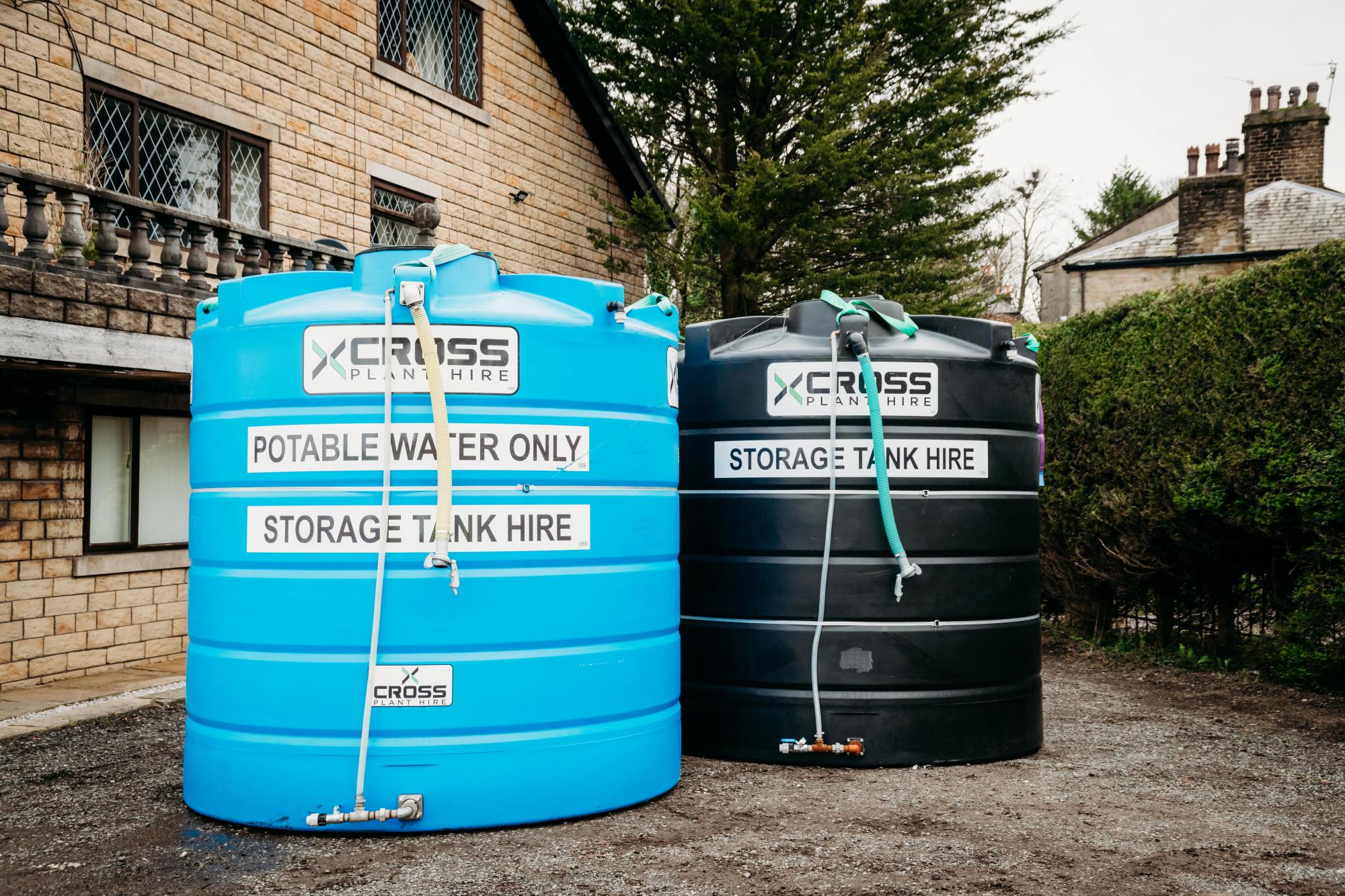
- Static tanks used for safe fuel storage on construction sites
- Diesel fuel trailers that allow mobile refuelling across large or changing sites
- Wheel washing facilities to prevent mud and debris being carried onto public roads
- Settlement tanks that manage water runoff and protect drainage systems
Each of these plays a critical role in site safety, environmental control and efficiency.
When Plant Hire Is the Right Choice
Plant hire is particularly effective when:
- A project is short or medium term
- Equipment is required to meet specific site conditions or regulations
- Buying equipment would tie up capital unnecessarily
- Site layouts or requirements are likely to change
For example, fuel storage on a construction site often needs to adapt as plant usage increases or site access changes. Hiring fuel storage allows flexibility without compromising compliance.
Owning equipment may seem appealing, but it comes with hidden costs. Maintenance, inspections, storage and transport all add up. There is also the risk of equipment becoming outdated or no longer compliant with updated regulations.
Hiring removes these risks. Equipment arrives ready to use, compliant and supported. When the job ends, it goes back, freeing up space and budget.
How Plant Hire Supports Compliance
Compliance is not optional on UK construction sites. From environmental protection to fuel handling and road cleanliness, regulations are strict and enforcement is increasing.
Hiring equipment such as wheel washing facilities and settlement tanks helps ensure sites meet their obligations without needing specialist in house knowledge. Experienced hire providers understand what is required and supply equipment that aligns with current standards.
Choosing the Right Plant Hire Partner
The value of plant hire depends heavily on the provider. Reliability, advice and response times matter just as much as the equipment itself.
A good plant hire company will
- Ask questions about your site
- Recommend suitable solutions rather than upselling
- Provide clear guidance on safe use
- Respond quickly if site needs change
Cross Plant Hire supports construction and infrastructure projects across the UK with practical, compliant plant hire solutions. From fuel storage and diesel fuel trailers to wheel washing facilities and settlement tanks, the focus is on keeping sites running safely and efficiently.
If you are unsure what equipment your site needs or when hiring makes more sense than buying, speak to the team at Cross Plant Hire.
Phone - 0161 401 0000
Email- [email protected]
Website - https://www.crossplanthire.com