

Blog
Civil engineering projects come with a long list of logistical and compliance demands. Among them, managing vehicle cleanliness when leaving site is one of the most visible - and most frequently overlooked - obligations a contractor faces. A well-planned wheel wash facility is not simply a box-ticking exercise; it is a practical tool that protects roads, local communities, and project reputations.
This article looks at what civil engineering contractors need to consider when specifying and hiring wheel washing equipment, and how to get the most out of it throughout a project lifecycle.
Why Wheel Washing Matters on Civil Engineering Sites
Civil engineering works - whether drainage, earthworks, groundworks or service installation - typically involve large volumes of disturbed soil, aggregates and wet material. Every vehicle leaving site carries the risk of depositing mud and debris onto public roads. Beyond the environmental concern, mud on carriageways is a road safety issue, and local highway authorities take a dim view of sites that fail to manage it.
A properly specified site wheel wash reduces that risk significantly. It intercepts vehicles before they reach the site exit, cleaning wheels and underbodies so that the amount of material carried onto the public road network is kept to an acceptable minimum. On larger schemes, this expectation is formalised through planning conditions or construction management plans, making compliant wheel wash facilities a contractual requirement rather than optional good practice.
Choosing the Right System for the Site
Not every site has the same throughput or layout, and selecting the right system matters. The key variables to consider include:
- Vehicle type and volume - A site running a high frequency of HGVs, articulated lorries and plant movers needs a robust drive-through system capable of handling large axle spreads and significant undercarriage contamination. Lower-volume sites may be served by simpler drive-over or static spray systems.
- Available space - Wheel wash construction site installations need to be positioned logically within the traffic management plan, with sufficient approach and exit lanes to avoid queuing onto the public road or disrupting internal site movements.
- Water supply and drainage - Wheel wash systems require a reliable water supply and a means of handling the dirty water they produce. This often links to wider water management planning, including settlement tanks for managing silty runoff before discharge.
- Duration of works - Short-possession or phased works may call for a temporary, easily relocated system. Longer programmes benefit from a more permanent installation integrated into the site compound from the outset.
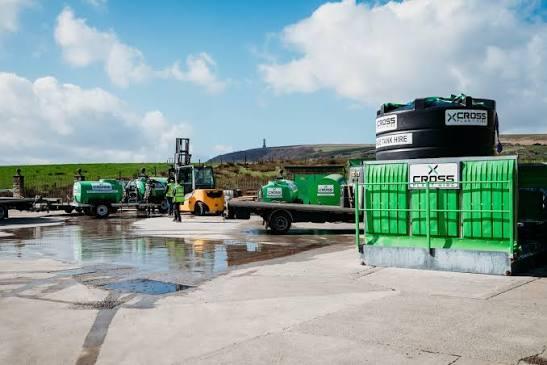
Cross Plant Hire supplies and installs wheel wash hire North West solutions across civil engineering and infrastructure sites, working with contractors to identify the right system for the specific site conditions and programme demands.
Integration With Traffic Management Plans
A wheel wash facility only works if it is used consistently. This means it must be designed into the site traffic flow from the start, not added as an afterthought near the gate. The exit route from any material-handling area should pass through or directly to the wheel wash before reaching the public highway.
Signage, banksman instructions and induction briefings all play a role in ensuring compliance across all operatives and sub-contractors using the site. A wheel wash that drivers can bypass defeats the purpose entirely. When the system is integrated properly into the traffic management plan and enforced as standard, it becomes part of normal site culture rather than a source of friction.
Boot Wash Stations: The Overlooked Companion
While wheel washing addresses vehicle cleanliness, operatives on foot also move contamination around - particularly into welfare cabins, offices and adjacent areas. A boot wash station positioned at key access points to welfare facilities controls this effectively.
Boot wash stations are a simple, low-cost addition to any compound setup, and they contribute to maintaining hygiene standards in shared welfare areas. On sites handling hazardous or contaminated materials, they also play a role in contamination control and personnel protection.
Cross Plant Hire supplies boot wash stations alongside wheel wash systems, allowing contractors to address both vehicle and pedestrian cleanliness within a single hire arrangement.
Maintenance and Water Management
A wheel wash system that runs out of water, becomes blocked, or develops a mechanical fault stops being useful immediately. Preventative maintenance is essential, particularly on high-throughput sites where the system operates continuously throughout the working day.
The dirty water produced by wheel washing needs to be managed responsibly. Allowing silty water to drain directly into watercourses or surface drainage systems is an environmental offence and can attract enforcement action from the Environment Agency. Settlement tanks are typically used in conjunction with wheel wash systems to capture and settle the fine particles before water is discharged or recirculated. Cross Plant Hire can advise on the right combination of wash and settlement equipment for each site.
Hiring Wheel Wash Equipment Across the North West and Beyond
For contractors based in or working across the North West, Cross Plant Hire offers flexible construction wheel wash hire to suit projects of all sizes. Whether the requirement is for a single system on a short-term groundworks contract or multiple units across a long-running civil engineering programme, equipment can be supplied, installed and maintained by experienced personnel.
Cross Plant Hire operates from Bury, Lancashire, with coverage across the UK and into Europe. Its approach goes beyond simple equipment drop-off - the team works with contractors to ensure systems are correctly positioned, commissioned and kept operational throughout the hire period.
Getting It Right From the Start
Wheel wash facilities on civil engineering sites are most effective when they are planned early, specified correctly, and maintained throughout the project. The cost of hiring the right system is small relative to the reputational and financial consequences of mud on public roads, enforcement notices, or complaints from local residents and highway authorities.
If you are planning a civil engineering project in the North West or across the wider UK and need specialist advice on site wheel wash systems, boot wash stations or associated water management equipment, contact Cross Plant Hire at crossplanthire.com.